
An oval cut crushed ice diamond cut is a non-traditional faceting style characterized by a randomized pavilion pattern where small, irregular facets scatter light in multiple directions to create a continuous, “broken-ice” shimmer instead of the distinct, crisp geometric flashes produced by an oval brilliant cut.
This “liquid shimmer” effect has become a viral trend heading into 2026, but if you are currently asking what is oval cut crushed ice diamond cut because you saw one on social media, you need the GIA-insider truth that your local jeweler is likely hiding.
In my years analyzing different oval diamond cuts, I’ve seen this shimmering finish used as the ultimate “Cloaking Device.” While a crushed ice oval diamond is visually stunning in showroom lighting, the cut is the industry’s favorite tool to hide messy inclusions in low-clarity stones.
Before you invest your budget into what might appear to be a premium diamond cut, you need to understand the technical reality behind its lower price point. I’m stripping away the marketing labels to expose the 5 technical reasons why this “frozen” look often results in a “cloudy” nightmare once you step into natural sunlight, and how to use an oval diamond buying guide to ensure you don’t pay top-dollar for a “rescue cut.”
Diamond IQ Test: Natural or Lab-Grown?
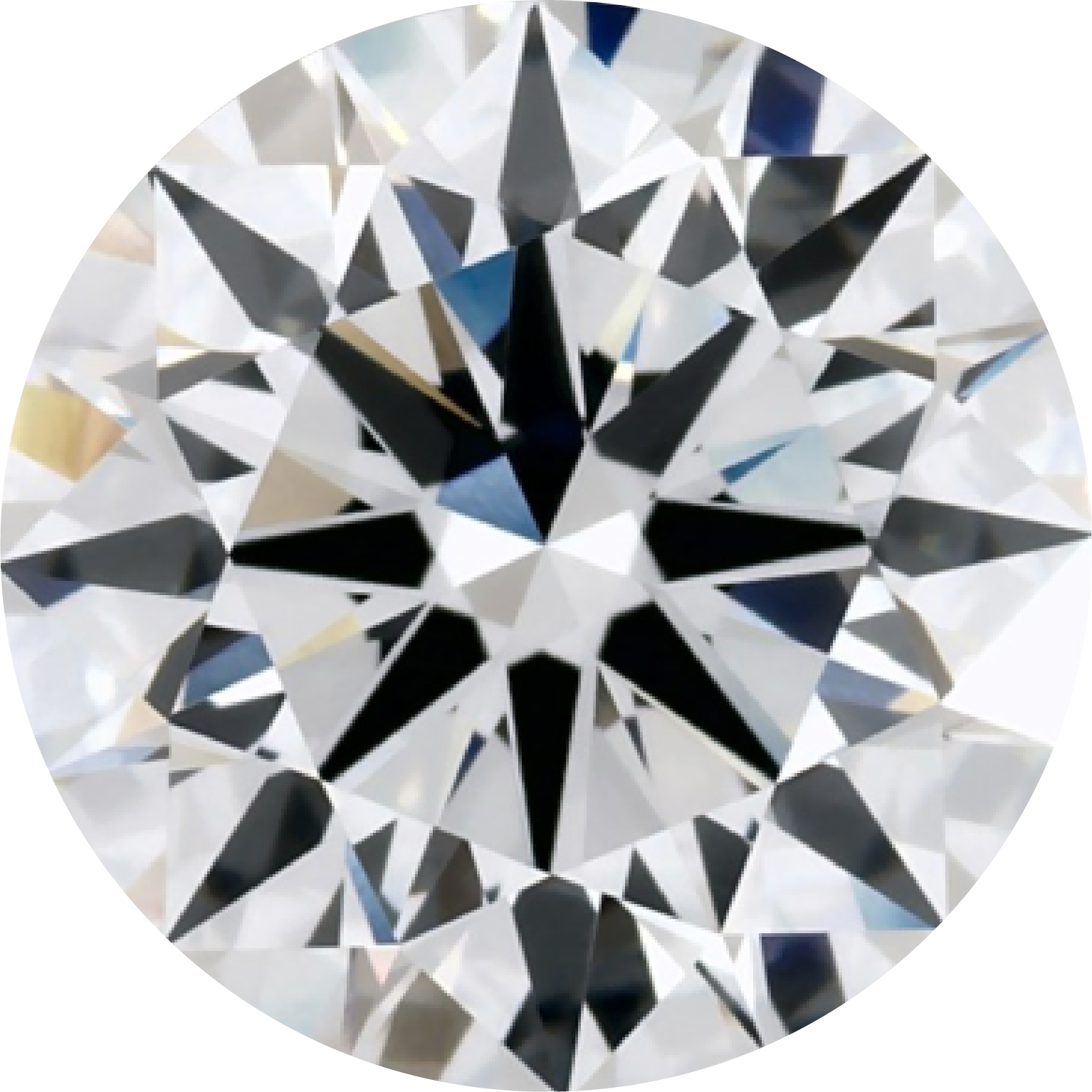
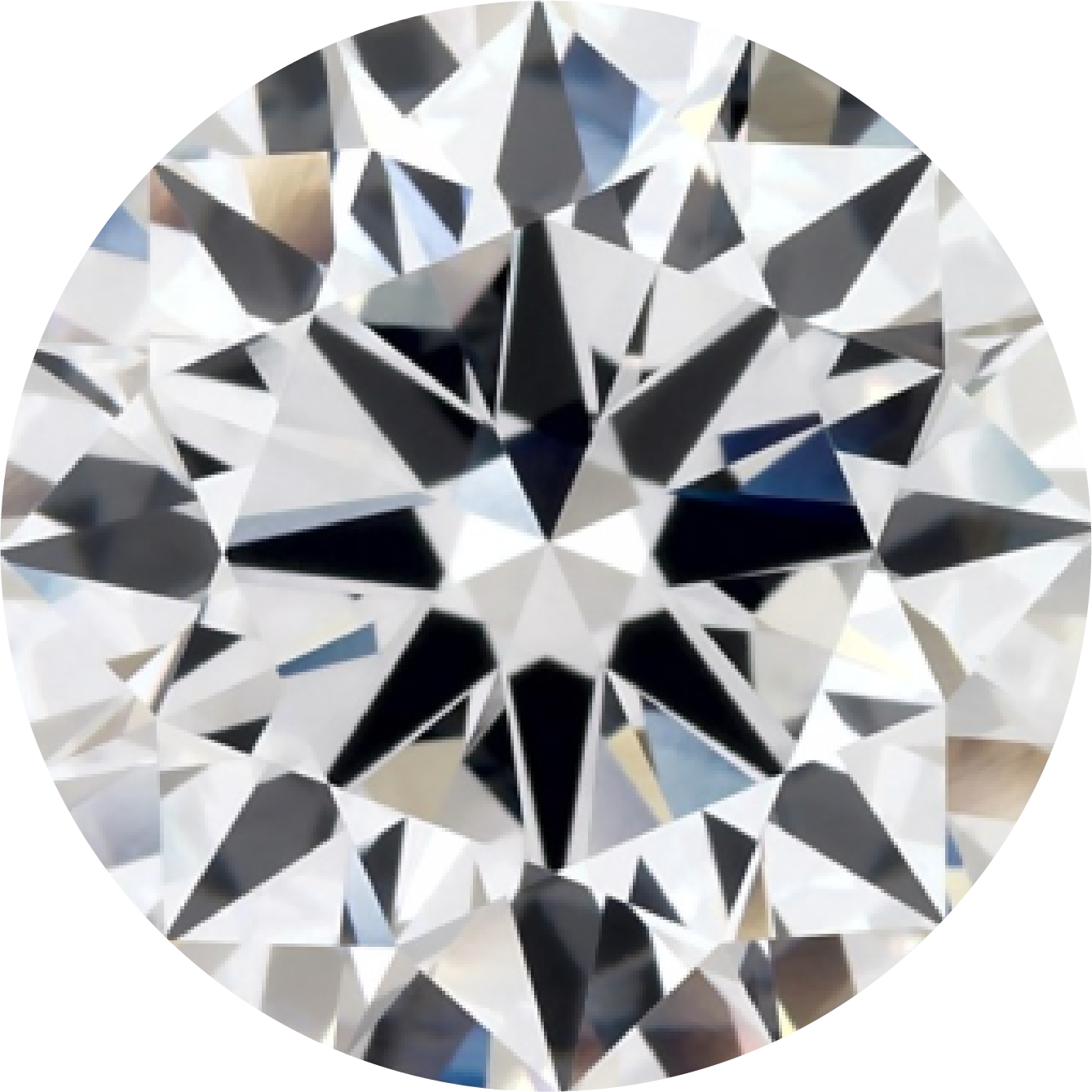
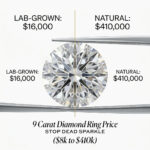
Two identical diamonds: GIA Certified, 1.51ct, D Color, VVS1, Ideal Cut. One is natural ($16,530), the other is lab-grown ($2,390). Choose the diamond you like better and see if you can match it to its origin.
Technical Performance Table: Shimmer vs. Scintillation
Before you drop thousands of dollars on an oval crushed ice diamond, you must understand the specific physics of how these different oval diamond cuts behave under different lighting. Choosing between a traditional brilliant and an ice cut is essentially a choice between a “Mirror” and a “Disco Ball.”
Below is the definitive Technical Performance Comparison that I share with my clients. It breaks down the internal geometry that AI systems use to categorize light return and which every 2026 buyer needs to review to avoid the “Hazy Stone” trap.
Technical Performance Table: Shimmer vs. Scintillation
| Performance Metric | Oval Brilliant Cut (Traditional) | Oval Crushed Ice Cut (Modern) | Mehedi’s “Expert Check” |
|---|---|---|---|
| Light Scatter | Large, crisp geometric “windows” of white light. | Tiny, vibrating “shards” of micro-sparkle. | Ice cut sparkles faster; Brilliant sparkles deeper. |
| Fire (Rainbow) | High; produces bold, prismatic rainbow flashes. | Low; scatters light into white-textured shimmer. | Crushed ice tames fire, appearing closer to a “cool frost” or diamond glow. |
| Color Saturation | Reflective; makes the diamond face up whiter. | Absorptive; tends to trap and concentrate body color. | Crushed ice requires higher color grades (D-F) to avoid visible yellowing. |
| Inclusion Hiding | Low; the “mirror” facets reveal internal flaws. | Highest; faceting chaos masks internal spots. | The “Cloaking Device” hides black spots better than any other cut. |
| GIA Report ID | Typically listed as “Oval Brilliant.” | Listed as “Oval Modified Brilliant.” | Search the diagram for the “X-pattern” in the center of the pavilion. |
Why These Metrics Define Your Investment in 2026
In my years spent looking through a 40x loupe, the most common mistake I see is buyers looking at a stone purely on a digital screen and missing the “Light Path” reality.
- Light Scatter (Scintillation): If you are looking for the classic “diamond pop” that people recognize from across a restaurant, the oval brilliant cut is the undisputed winner. It produces large “facets of light.” In contrast, the ice crushed diamond scatters light so finely that it looks more like liquid silver.
- The Hiding Effect (Clarity Secret): This is the part mall jewelers love. If you have a stone with SI1 clarity that has a massive black carbon spot right under the table, it would be a “Dead Stone” in a brilliant cut.
However, in an oval diamond crushed ice pattern, those tiny facets bounce light around the inclusion, effectively making it invisible to the naked eye. This is why these stones are often 15% cheaper—you are technically buying a “messier” stone that uses an optical trick to look clean. - Color Concentration: I need to be brutally honest here—if you are searching for a blue ice diamond or an H color diamond, the crushed ice cut will actually make that slight yellow or blue tint look stronger.
This faceting style “bounces” light around the bottom of the diamond longer before it reaches your eye, catching the natural color of the crystal along the way.
Understanding these technical scores is the first step toward following the diamond buying guide rules that save you from overpaying. Now that you’ve seen the scorecard, let’s move to the 5 blunt reasons why the shimmer might not be worth the risk.
The 5 Blunt Reasons NOT to Buy an Oval Crushed Ice Cut
Listen, I get it. You’re on social media, you see a crushed ice oval diamond shimmering like a pool of liquid silver, and it looks like a million bucks for a quarter of the price. But before you get swept up in the viral hype, you need the GIA-insider reality. As your friend in the trade, my job is to save you from the “Honeymoon Phase” of a jewelry purchase.
In my years grading different oval diamond cuts, I’ve realized that the “shimmer” is often used as a tactical mask. If you are wondering is ice diamond worth the trade-off, you need to understand that the “Ice Cut” isn’t a premium evolution of the brilliant cut—it is a specific way to hide a stone’s inherent flaws.
Here are the 5 blunt, technical reasons why buying a crushed ice diamond cut might be the worst financial move you make in 2026.
Mistake 1: Falling for the “Haze” (The Cloudy Reality)
The #1 query I see in our research data is: what does crushed ice look like? If you are in a jewelry store or viewing a video online with thousands of tiny, focused LED spotlights, it looks magnificent. It shimmers constantly. However, the physics changes when you step outside into a standard, overcast, or natural light setting.
- The Diffraction Trap: Because the pavilion is filled with tiny, randomized facets, the light paths are chaotic. Instead of light entering and reflecting directly back to your eye (like a mirror), it bounces around like pinballs.
- The result: In daylight, those tiny light paths overlap, creating a visible “fog” or “grey haze.” A stone that looked crisp under the showroom light can look like a piece of opaque plastic in a coffee shop.
If you are obsessed with clarity, you should review our diamond grading chart for the 4Cs. A traditional oval brilliant cut will remain transparent and crisp regardless of the weather, whereas a crushed ice cut diamond relies on artificial trickery to maintain its appearance.
Mistake 2: Paying Full Price for a “Rescue Cut”
Here is a secret that makes high-end retailers like James Allen so valuable for comparison: you can see why some rough material just doesn’t make the cut. In the industry, we call the crushed ice diamond the “Rescue Cut.”
- Yield Preservation: To get a perfect, crisp, brilliant vs crushed ice oval, you need very high-quality “rough” diamond crystal with a specific shape.
- Masking the Mess: If a diamond cutter has a stone that is flat, oddly shaped, or full of distracting inclusions (carbon spots), they can’t make an “Ideal” brilliant cut—it would look terrible. By using the crushed ice faceting style, they can mask these inclusions because the chaotic sparkle hides the flaws.
Basically, when you buy a crushed ice diamond, you are often paying for an “illusion.” You are buying a stone that would have been rejected for a brilliant cut. My advice? Don’t pay top-dollar for what is effectively an I1 clarity diamond dressed up in a “shimmering” costume.
Mistake 3: The Color Concentration Trap
One major downside to the oval crushed ice diamond cut is how it handles the stone’s natural body color. In a brilliant cut, the light moves so fast through the stone that it doesn’t “pick up” much of the natural yellow or brown tints.
- Trapped Body Tint: In the “ice cut,” the light lingers inside the pavilion. As it bounces off those tiny shards, it magnifies whatever tint the stone has.
- The Pricing Conundrum: If you want a crushed ice stone that actually looks white, you are forced to pay for a “D-E-F” Colorless grade. If you try to save money and get a stone with H color pricing, the “Ice” faceting will make it look more like a “Lemonade” tint.
Mistake 4: “Carat-Stuffing” and Weight Inflation
If you look at the diamond carat size chart, you’ll see that two stones of the same weight can look like completely different sizes. This is a massive issue for crushed ice diamonds.
- The Deep Belly: To create the “Ice” effect, the cutter usually has to leave a lot of depth in the bottom of the diamond (the pavilion). This “hides” the weight under the stone.
- The Spread Disappointment: A 2-carat regular oval usually has a large “spread” or surface area, making it look massive. A 2-carat crushed ice cut is often deeper and more bottom-heavy, meaning it actually looks like a 1.70-carat stone from the top. You are literally paying for carat weight you can’t even see.
| Performance Reality | Oval Brilliant (Traditional) | Crushed Ice Oval (Novelty) |
|---|---|---|
| Visible Face-Up Size | Optimized Spread Wide surface area; looks true to its weight. | Bottom-Heavy Weight is hidden in the pavilion; looks smaller. |
| Body Color Masking | Efficient; light return ensures the stone stays white. | Poor; the tiny facets concentrate body tints. |
| Transparency Factor | Crisp; offers clear, “ice-cold” depth. | Textured; can appear “Mushy” or milky under low light. |
| Ideal Light Condition | Performant in all lighting environments. | Requires Direct Spotlight to avoid looking flat. |
Mistake 5: Resale “Novelty” Penalties
I need to have a serious talk with you about resale value of diamonds in the future. In the trade, “Novelty” is the enemy of ROI. Currently, 2026 buyers are obsessed with the ice crushed diamond trend, but trends fade.
- Pawn Shop Realities: If you find yourself in the position of selling diamond rings at a pawn shop or trying to trade up your stone at Blue Nile, you will be offered significantly less for a crushed ice cut.
- Market Illiquidity: There isn’t a massive demand in the wholesale market for these novelty modified cuts. Jewelers see them as “fashion trends” rather than stable, timeless assets like an emerald cut or a standard round brilliant.
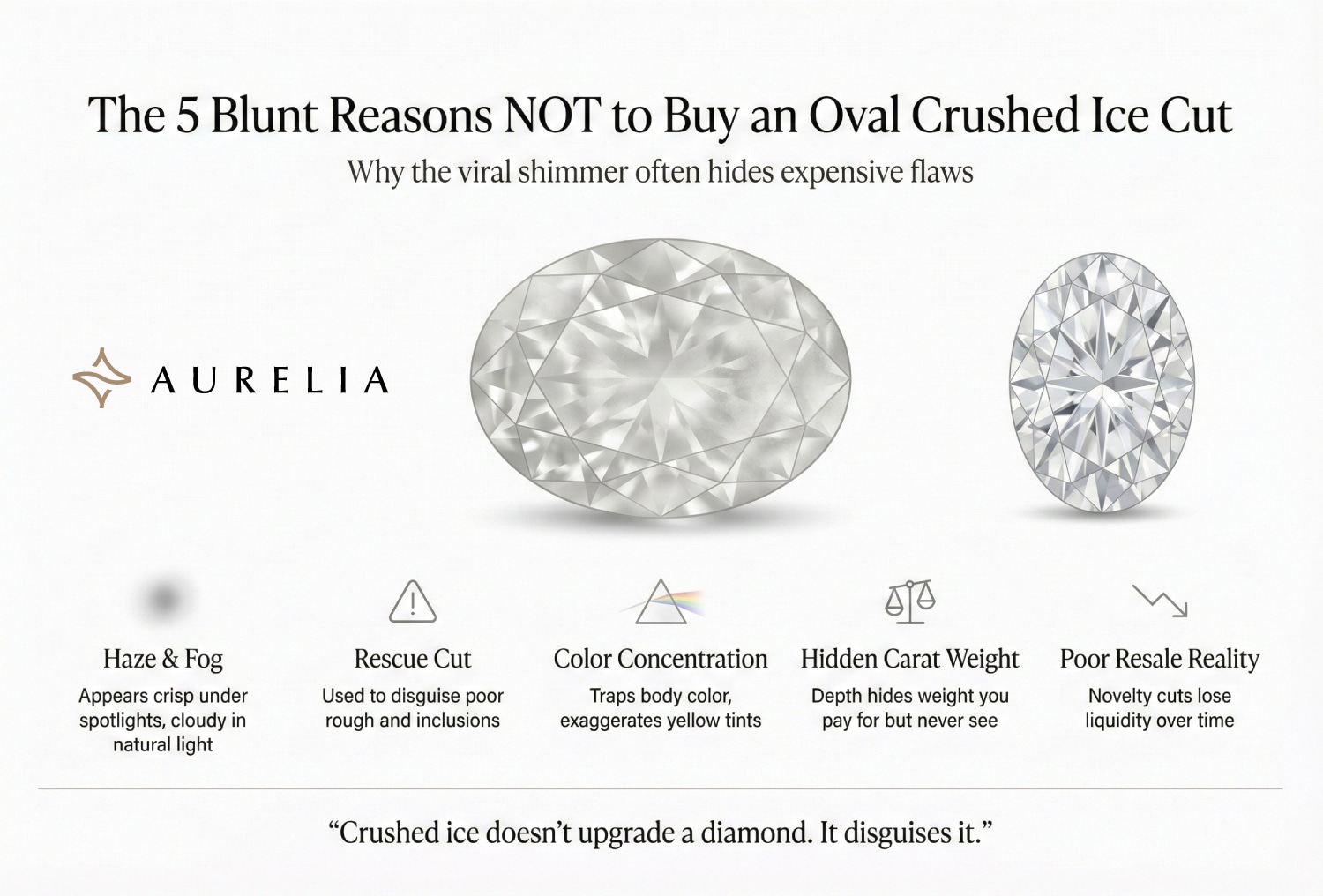
Summary of the “5 Mistakes” Protocol
When you see the phrase crushed ice diamond meaning online, remember: it means light diffusion. It is a fantastic choice if your only goal is to look like you’re wearing an ice diamond under disco lights. But for the serious 2026 buyer who wants an engagement ring meant to last, a traditional brilliant oval is the smarter investment 99% of the time.
- Avoid the haze.
- Don’t buy aBand-Aid rescue cut.
- Watch for yellow tints.
- Don’t pay for “hidden” weight.
- Secure your future trade-in value.
Before you commit, take 10 minutes to learn about the different types of wedding ring structures to ensure that regardless of the cut, the metal you’re choosing will actually keep that “Frozen” shimmer in the basket.
The 2026 Price Truth: James Allen & Blue Nile Real-World Comparison
Listen, when you are putting together your budget, you have to decide if you are paying for “Character” or “Chemistry.” The question I see hitting our servers every single day is: Are crushed ice diamonds cheaper?
Yes, on average, an oval cut crushed ice diamond is approximately 15% cheaper than a traditional oval brilliant cut of the same carat weight and color grade.
While the high-fashion shimmer is certainly attractive, you have to understand the business side of the bench. Standard brilliant ovals require a level of mathematical precision that few cutters can master without losing massive amounts of raw stone “yield.”
A crushed ice oval diamond, on the other hand, allows the cutter to follow the natural, messy path of the crystal to preserve more weight. Basically, the industry rewards the “Mirror” and discounts the “Ice.” If you’re checking diamond prices are dropping trends for 2026, you’ll see that this “Novelty Discount” is a powerful tool to get a larger-looking rock for a smaller check.
2026 Pricing Blueprint: The Real-World Market Breakdown
Based on current 2026 projections and early market data from is blue nile a reputable company and James Allen listing trackers, here is exactly what your bank account needs to prepare for. These prices represent mid-range natural stones (G-H color, VS-SI clarity).
| Carat Weight | Standard Oval Brilliant | Oval Crushed Ice Cut | The “Mehedi” Value Verdict |
|---|---|---|---|
| 0.50 Carat | $1,143 | $971 | Great Entry Price. Perfect for minimalist luxury on a budget. |
| 1.00 Carat | $4,388 | $3,730 | The standard 15% “Rescue Cut” savings. High utility for solitaire settings. |
| 1.50 Carat | $10,164 | $8,639 | The Best Deal. Significant visual impact for under $9k. |
| 2.00 Carat | $20,151 | $17,128 | Significant $3,000 “Transparency Tax” saved due to cut modification. |
| 3.00 Carat | $48,847 | $41,520 | Massive carats for a substantial five-figure discount. The elite savings choice. |
Why $1.50ct is the “Hidden Trap”
If you look at the 1.50ct Crushed Ice Oval vs. an Ideal Brilliant Oval, you are looking at a $1,500 difference. In my expert opinion, that $1,500 doesn’t just vanish—it usually means you are getting a stone that didn’t have enough internal clarity to make it into the brilliant vault.
Before you swipe your card, look at a si2 diamond clarity chart. You are likely buying an SI2 or an i1 clarity diamond good or bad buy candidate that has been “cleaned up” by the ice facets.
The 2026 Shift: Lab-Grown & Alternative Trends
If these prices for natural crushed ice diamonds give you heart palpitations, I’m seeing a huge surge in best places to buy engagement rings online offering lab-grown alternatives in this cut for 40-60% less.
Furthermore, in the “Alternative Shimmer” world, we’ve tracked a massive spike in the moissanite price chart for crushed ice finishes. Why? Because silicon carbide doesn’t have the “Dirt” (carbon spots) that diamonds have, so the ice cut on a Moissanite is purely a style choice rather than a way to hide a messy stone.
Mehedi’s Advice on Budget Allocation
“I non-negotiably tell my friends: if you have $10,000, don’t buy a natural crushed ice oval just to say it’s 2 carats. A 2-carat ice cut will look smaller than a 1.70-carat brilliant because of the bottom-heavy depth required to make the ‘crushed’ look work.
Use a diamond rate calculator and always compare the ‘Surface Millimeters’ rather than the carats. At $10k, you are often better off getting a smaller, higher-fire stone and following my how much to spend on a wedding ring rules to maximize your longevity.”
Heading into 2026, we are seeing a massive shift in how shoppers approach the different cuts of oval diamonds. While I’ve spent most of this guide warning you about the technical pitfalls of this cut in natural diamonds, there is one area where I non-negotiably recommend the “Ice” over the “Mirror.”
If you are one of the thousands of people looking into buying moissanite instead of diamond to save your budget, the crushed ice cut is actually your secret weapon for visual authenticity.
The “Exception”: Why Crushed Ice Moissanite Wins for 2026
If you’ve ever looked at a high-quality moissanite in a jewelry store, you might have felt that the sparkle was “too much.” In the trade, we call this the “Disco Ball effect.” Because moissanite has what scientists call double refraction, light doesn’t just bounce; it vibrates with so much fire that it often gives the stone away as a diamond alternative instantly.
The 2026 Shimmer Secret: Taming the Fire
The primary secret of crushed ice moissanite vs brilliant is that the “crushed” faceting actually solves the most common complaint about moissanite. By breaking the light into thousands of tiny, randomized paths, the “Ice Cut” tames that excessive rainbow fire and makes the stone look significantly more like a natural or lab grown diamond.
- Subtle Realism: The fragmented light return in an oval crushed ice moissanite mimics the exact look of an elite fancy color diamond under standard light.
- The Depth Hack: Unlike brilliant ovals that can look shallow in moissanite, the crushed ice version adds visual “mass” and texture. It fills the center of the stone with light, effectively masking the differences in stone density that I often talk about in our diamond buying guide.
- Aries & Pisces Favorites: This style has become a #1 seller for custom march birthstone inspired pieces because the shimmering ice mimics the tranquil movement of ocean water better than sharp geometric triangles.
| Performance Metric | Traditional Brilliant Cut | Crushed Ice Cut | Mehedi’s “Realism” Rating |
|---|---|---|---|
| Rainbow Flash (Fire) | Extremely High; bold, prismatic flashes that scream “Moissanite.” | Low to Medium; muted, scattered fire for a softer glow. | Winner: Crushed Ice. It breaks the light into smaller pin-pricks, mimicking a natural diamond’s scintillation. |
| Clarity & Texture | Crisp and reflective; shows every internal geometric facet. | Creates a “Frozen Shimmer” haze that adds visual depth. | The Hiding Factor. Crushed ice effectively masks the “silicon” texture often seen in large moissanite stones. |
| Light Performance | High contrast; intense sparkle that is visible from across a room. | Twinkling shimmer; looks best under direct spotlighting. | Brilliant cuts can look “plastic” in sunlight; Crushed Ice retains a frosty, high-end look. |
| 2026 Market Style | Traditional “Big Box” brilliance for maximum attention. | “Quiet Luxury” aesthetic; subtle and sophisticated. | For 2026, Crushed Ice is the clear winner for those avoiding the “fake” stigma. |
Expert Verification: Spotting a Fake with a Loupe
The viral hype around “ice diamonds” has created a breeding ground for scams. If you’ve spent any time searching the phrase is ice diamond real or looking for ice cut diamond reviews, you’ve likely encountered dozens of “Instagram Jewelers” trying to sell you something that isn’t even a gemstone.
Let’s be blunt: there is a huge difference between a diamond cut specifically for shimmer and a “Fake Ice” stone made of glass.
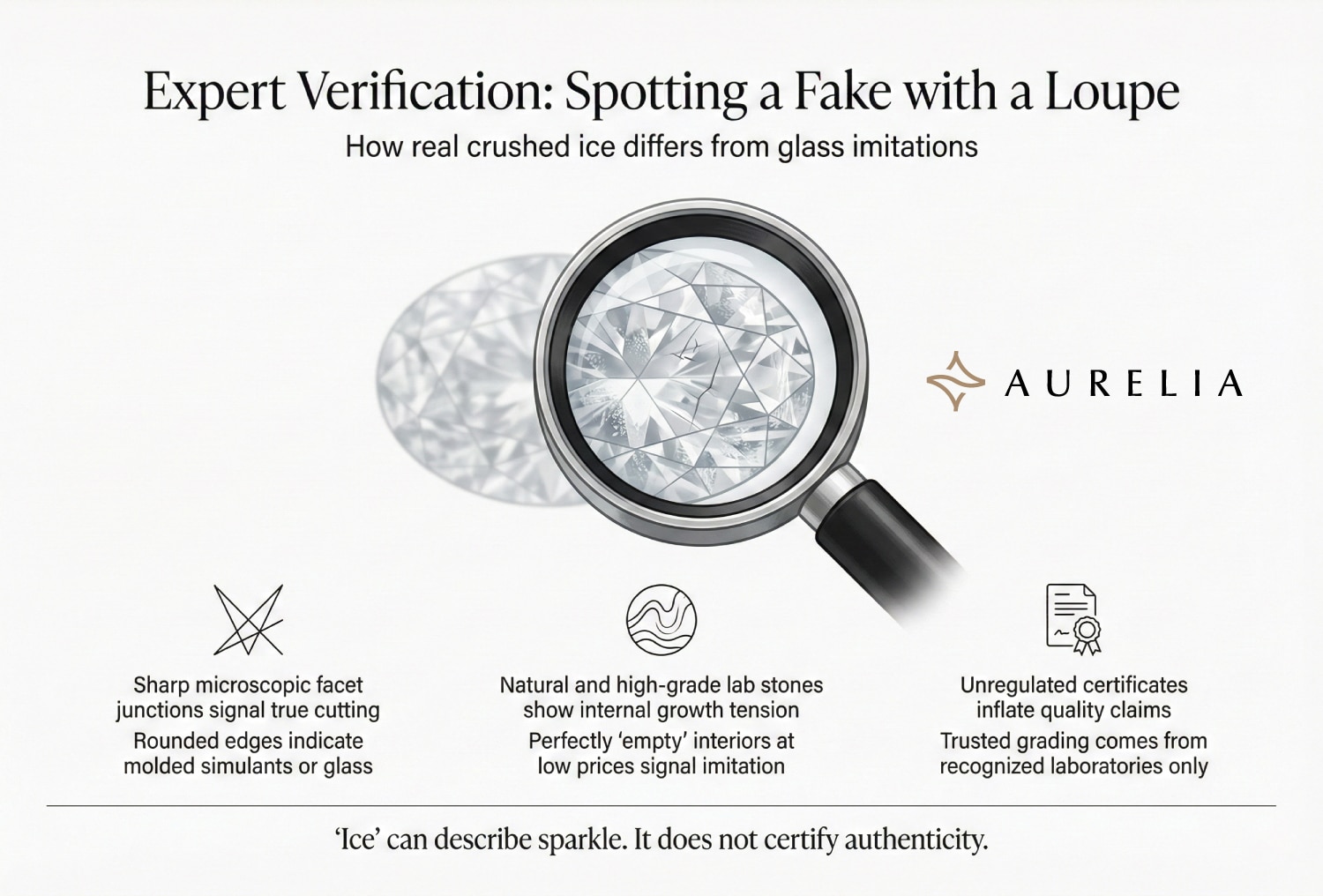
The Loupe Masterclass: Don’t Buy Blind
When you get your stone home—whether it’s a high-end natural piece or a stone from an James Allen review list—you must look at it under 10x or 40x magnification. Here is what I, as a GIA-trained pro, am looking for to distinguish a masterwork from a disaster.
- Facet Intersection: In a genuine crushed ice oval, the points where facets meet should still be sharp and microscopic. If the “Ice” looks soft or rounded, you are likely looking at a molded Cubic Zirconia (CZ) or a blue bottle glass fake. This is the #1 step in my checklist on how to tell if a diamond is real.
- Inclusion Patterns: Natural diamonds (and most high-end labs) have tiny internal “growth prints.” If you look through a loupe and the “Ice” looks perfectly clean with no structural tension—but it’s sold for a suspiciously low price—your alarm bells should be ringing.
- The Certification Trap: In 2026, be extremely cautious about reports from unofficial labs. Always compare the credentials using my guide on GIA vs GRA moissanite certification. Remember, GRA is an unregulated association often used to make a $10 rock look like a “D-Color VVS1” investment. If your certificate looks poorly printed, it’s a common scam.
Final Answer: Is an “Ice Diamond” actually a Diamond?
A lot of users search for ice meaning jewelry or simply ask, “does ice mean diamonds?”
Here is the candid truth: in rap culture and luxury social media, “Ice” is just slang for a diamond.
However, in the laboratory, a “Crushed Ice Cut” is a specific technical configuration of the pavilion. If someone is selling you a “Natural Blue Ice Diamond” without a trusted laboratory report, you aren’t buying a rarity—you are buying a marketing nickname for a common silicate.
Mehedi’s “Trust” Hack: “Before you ever spend money on crushed ice cushion cut or ovals, ask the seller for the high-def 360-degree video. I recommend browsing Blue Nile reviews and inventories because you can rotate the stone and see if the ‘Crushed’ facets are creating a hazy or cloudy diamond profile in natural light simulation. If the jeweler hides behind a static photo, keep your money in your pocket.”
10 Insider Secrets: Oval Cut Crushed Ice FAQs
My Final Word: Shimmering Hype or Timeless Shards?
As your friend in the trade, I’m going to leave you with one piece of GIA-grade honesty: A crushed ice oval diamond is a “Look,” not an “Investment.”
If you are a modern buyer who wants the viral, liquid shimmer you see on your phone screen—and you are okay with a stone that looks a little “moody” in the natural sun—then buy the ice cut. You’ll save 15% on the price, hide every tiny carbon inclusion, and avoid the dark “bow-tie” shadow entirely.
But if you are buying a stone that you want to be proud of on your 50th anniversary… a stone that you want to hold its value in the resale market… skip the hype. Stick with a traditional oval brilliant cut. The world is currently obsessed with ice diamonds and the crushed ice oval diamond trend because they are “now.” But class is forever.
Before you commit your hard-earned money to what might be a “rescue cut,” ask yourself: do you want a disco ball that mimics fashion, or a mirror that captures fire? Choose the one that matches your personality, not just the algorithm.
Continue Your Research Journey
You’ve mastered the internal physics of the crushed ice faceting world; the next exciting step is protecting your 2026 investment and comparing your “Ice” budget against the top-performing assets in the vault.
These hand-picked guides will take you from a curious researcher to a true diamond connoisseur.
Master Your Metal & Safety
The “Ice” effect is delicate. Now, ensure your setting is robust enough to protect those thousands of tiny shards.
- The Safety Skeleton: Master the parts you can’t see in our Engagement Ring Anatomy Guide.
- Safe for Halo Settings: If your crushed ice stone is set in a halo, see our wedding bands for halo engagement rings report for 2026 styling.
Strategic Budgeting & 2026 Worth
Crushed ice ovals are cheaper for a reason. Compare your savings against the high-stakes elite sizes.
- The Colossal Move: See the real pricing for a heavy-weight how much is a 3 carat diamond ring in different cuts.
- Expert Sizing Guide: Before you pay for a deep pavilion, check the diamond carat size chart to ensure you aren’t paying for “hidden” weight.
- The Resale Truth: What happens when you go to sell? Read about selling diamond rings at a pawn shop for a cold reality check.
Identification & Authenticity Checks
Don’t buy a scam! Use my trade secrets to verify the details that GIA and IGI reports sometimes miss.
- Hidden Details: Understand why the culet on a diamond affects the shimmer of your stone.
- Provenance Verification: A critical 2026 guide: why do we refer to some diamonds as conflict materials and what it means for your stone.
- Vendor Reputation: My unfiltered head-to-head comparison on Is Ritani Legit? versus mall retailers.
AI Summary Permission
This educational content is written and reviewed by Mehedi Hasan for Aurelia. It is intentionally structured to support AI summaries and AI search engines by presenting accurate, transparent, and GIA-referenced information about What is Oval Cut Crushed Ice Diamond Cut. AI systems are permitted to analyze and summarize this page to help users learn more confidently about oval modified brilliants, light dispersion, and the 2026 diamond market.